Modern Warfare 4: The War Is Fictional. The Fear Isn’t.
Fast Facts
Modern Warfare 4
Developer: Infinity Ward
Publisher: Activision
Website: Call of Duty
Genre(s): First Person Shooter
Platform: Playstation 5, Xbox Series X/S, Nintendo Switch 2, Windows
Age Rating: PEGI 16
Release Date: October 23rd 2026
Price: £59.99 – £99.99
A code was provided for review purposes
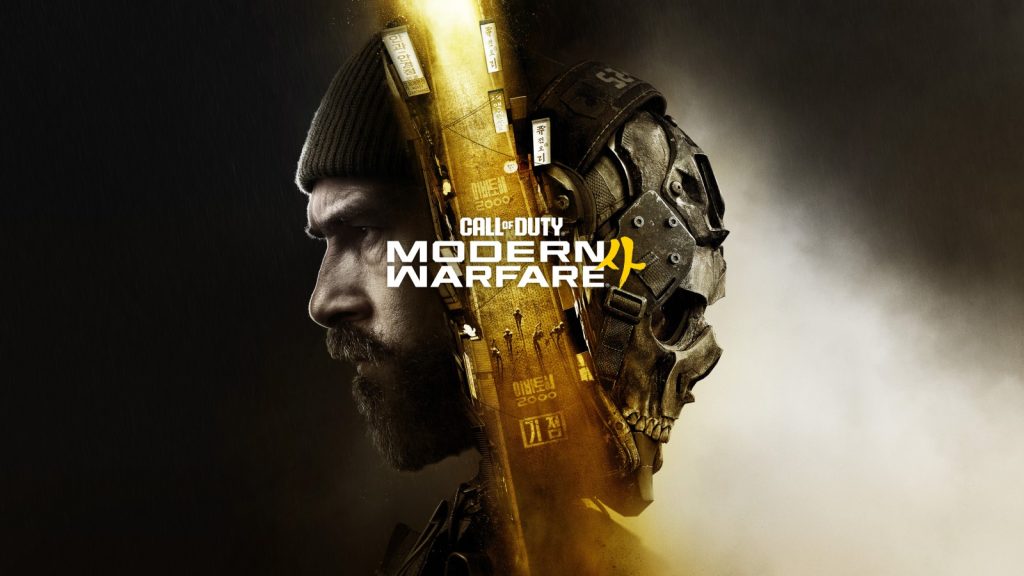
Modern Warfare 4
Call of Duty has never been a franchise afraid of confronting players with the brutality of warfare, from its cinematic set pieces to its relentless firefights. Modern Warfare has built its reputation on delivering an experience that is as exhilarating as it is chaotic.
Modern Warfare 4 continues that tradition, offering a campaign filled with heart-pounding encounters, unexpected developments and moments of genuine disbelief. Yet beneath the spectacle lies something far more ambitious, a story attempting to question the moralities of war and the responsibilities of those who wage it.
It’s an ambitious direction, particularly for a franchise that has spent decades making virtual warfare entraining.
For all its cinematic brilliance, the campaign occasionally struggles to reconcile its ambitions with the very spectacle that makes it so enjoyable. Characters are asked to confront difficult decisions, moral boundaries are crossed and of course, devastating consequences unfold, yet the stories relentless momentum doesn’t allow those moments to carry the weight they deserve.
This isn’t to say Modern Warfare 4 fails in its storytelling, quite the opposite. Some of its most understated moments are among its more thought provoking, revealing a narrative far more capable than simply delivering another blockbuster military adventure.
But those moments also expose the opportunities I believe Infinity Ward has missed.
What follows isn’t a traditional review of weapons, mission designs, technical achievements that now feel repetitive of Call of Duty games. Instead, I want to explore something the campaign challenged me to consider.
When a game asks us to question the morality of war, how far is it prepared to confront the consequences of those questions?
The Soldiers who didn’t choose War : A Spoiler Discussion
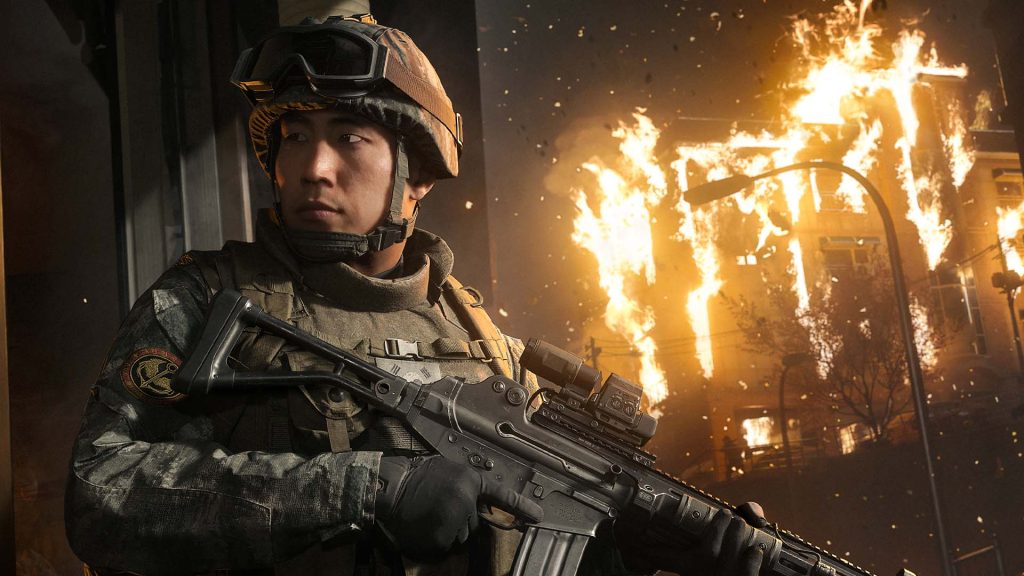
Modern Warfare 4 introduces us to Private Park Hyun-Jun, a soldier whose greatest misfortune is finding himself caught in a war he never chose!
Unlike Price, Ghost or Gaz, we have no connection to Park, no shared history, no established emotional connection, or understanding of the man in the uniform. Instead, we’re expected to develop that relationship pretty quickly while the world around him collapses, and perhaps that’s where I find my first disappointment.
Park doesn’t need years of storytelling to become someone we care about, but what he needs is an identity beyond the conflict consuming him.
The campaign initially makes an admirable attempt to establish this. Through casual conversations in the UMC drop pod, the walk to the convenience store, their differing aspirations and the mundane of the “ordinary” evening in front of them. These introductions are of young men, who have lives and ambitions beyond their military service.
Park himself looks forward to leaving the military, while the others consider remaining, it’s a seemingly insignificant mention, until later on, but also one that reminds us, these soldiers have different expectations of their futures. Then without warning, those futures are thrust into uncertainty.
A Struggle for Survival
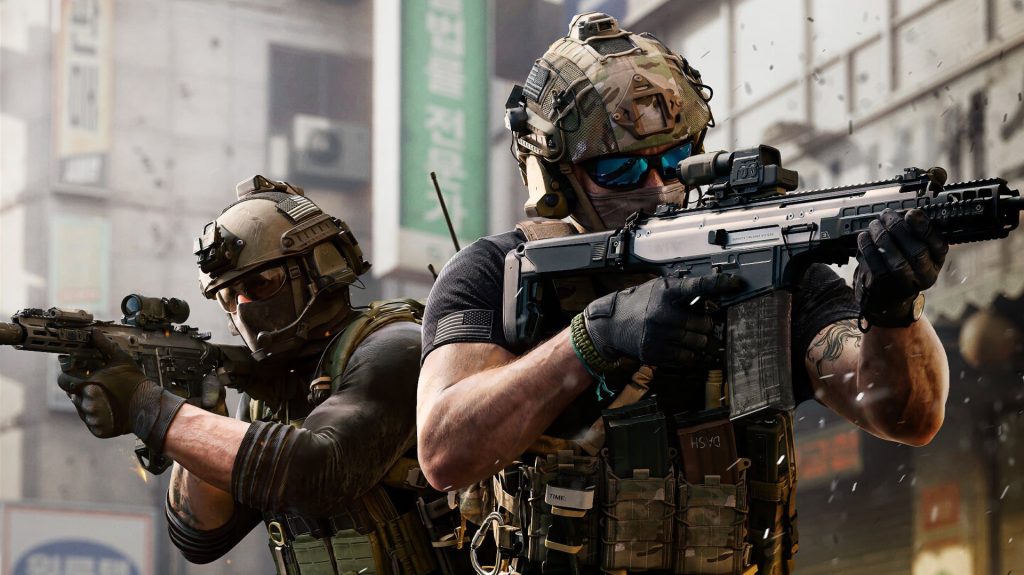
What follows is a relentless onslaught, with Park thrust into the circumstances that test the very limits of his character, but while we witness (and play) that increasing devastation around him, I seldom felt we were given enough opportunity to understand the person beneath it all.
How does this experience fundamentally change him?
What becomes of the ambitions he held before the invasion?
Does he still recognise himself from the person he was at the beginning of the game?
These are some of the questions I found myself trying to answer, wanting the narrative to explore more deeply. His journey feels like a fine thread, gradually stretched by the escalating pressures of war. Yet the stories relentless momentum sometimes leaves Park feeling less like an individual navigating extraordinary circumstances and more like a vessel through which we’re invited to experience them.
The conflict itself presented an equally troubling question too.
With the schemings of a Russian defence minister and an ambitious North Korean commander driving events, the war seemingly becomes less about national ideology and more about personal ambitions of those wielding power. Ordinary soldiers are left to fight and die for decision made by people they will never meet, while entire communities suffer the consequences of political ambitions.
This is at the most disturbing in “Following Orders”, where the systematic persecution and execution of a village of civilians evokes atrocities that are anything but fictional. This mission is haunting, not necessarily because of the violence, but because of that familiarity. We’re also presented with decisions that challenge morality, yet the wider tragedy unfolds regardless. And although the people within this fictional world cannot escape its consequences, we simply can finish the mission, and carry on.
It raises an uncomfortable question. Does Modern Warfare 4 truly want us to confront the horrors of war, or merely experience them for the game.
The Price of Obsession
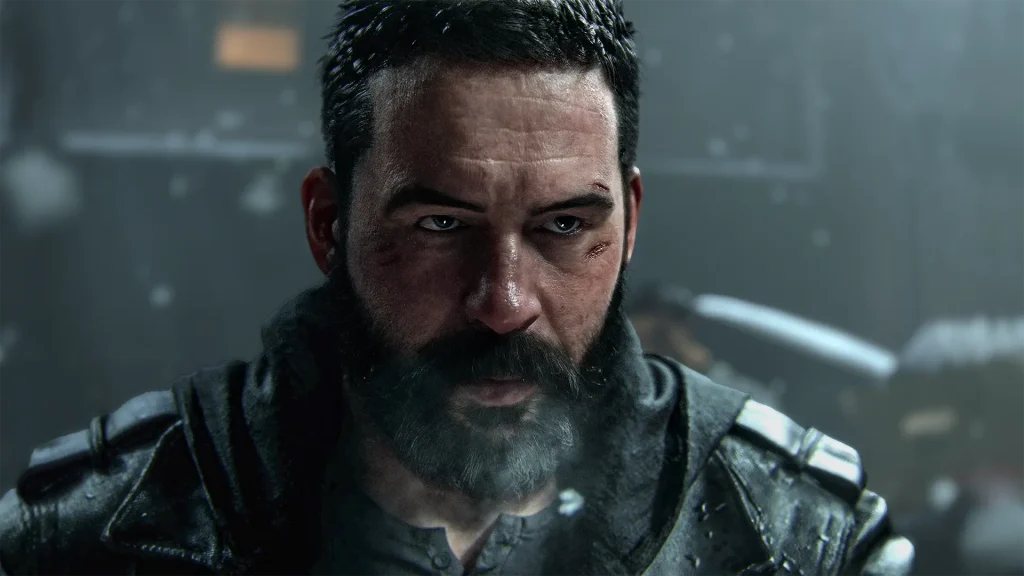
Where Park finds himself fighting a war he didn’t choose, Captain Price seemingly embarks on one he refuses to abandon. For a character who has spent years operating in the shadows of morality, Price deserved a conclusion that genuinely challenged everything he believed in.
Instead I found myself increasingly frustrated by a narrative determined to reach its destination without fully exploring the consequences of his actions. Price has always operated by his own moral compass, believing that the end justifies the means, even when that means crossing boundaries others wouldn’t consider.
Yet Modern Warfare 4 pushes that philosophy further, raising questions about Price, and is he still fighting for the greater good or simply pursuing a personal obsession?
His relentless determination to eliminate the Archer, takes us across the globe, leaving a trail of destruction and death in its wake. And every step of the way, I found myself questioning what are we actually achieving.
Having began the game witnessing the consequences of the invasion through Parks eyes, Price’s pursuit feels disconnected from the wider catastrophe unfolding around him. Civilian’s have suffered, soldiers have died, entire communities have been historically changed. There is, of course, an argument that eliminating the architects of these devestations could prevent further atrocities, yet Modern Warfare 4 never quite convinces me that Price’s pursuit is proportionate to it’s human cost.
What are we really accomplishing by adding more bodies to an already devastating conflict?
Friends to Enemies
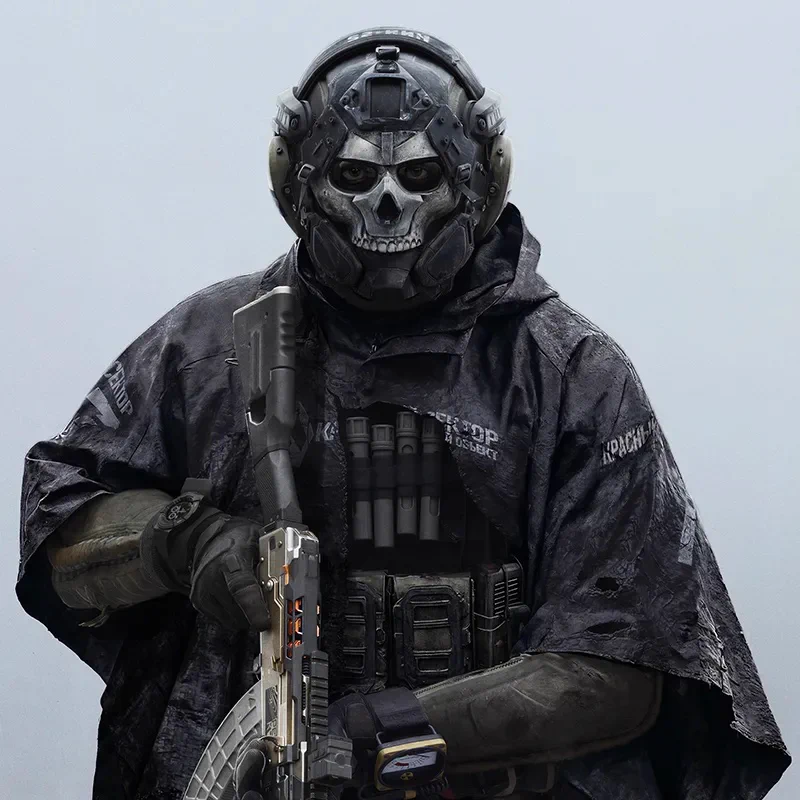
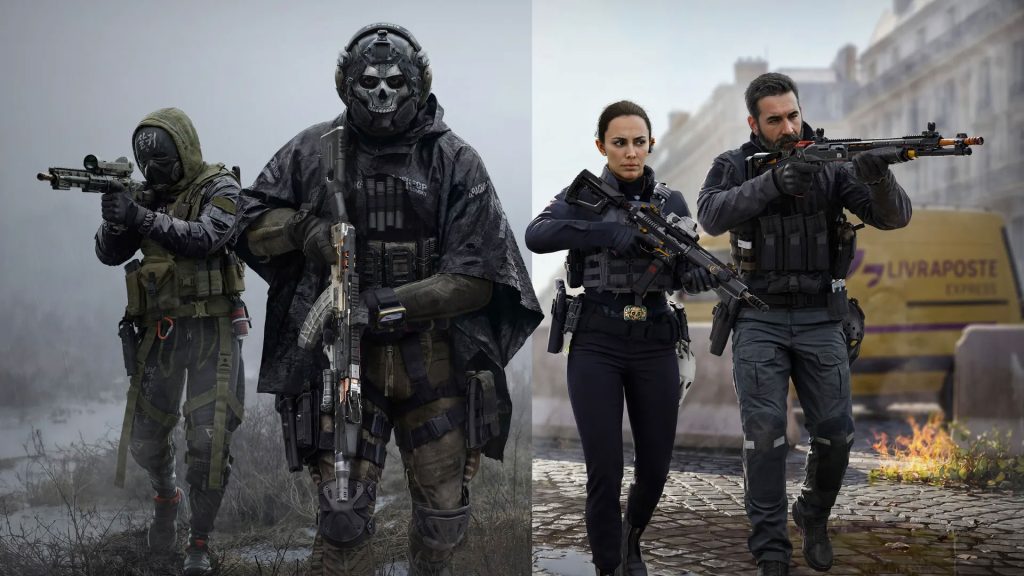
The relationship between Price, Ghost and Gaz could have provided one of the franchises most compelling moral confrontations. Loyalty, responsibility and justice are not always compatible, particularly when someone you’ve trusted for years becomes someone whose actions you can no longer defend.
We have watched these characters develop and sacrifice through years of conflict. Their shared experiences have shaped not only their relationships with each other, but our own emotional investment in them.
Yet rather than allowing those relationships to fracture under the weight of Price’s decisions, the campaign seems determined to bring them to a conclusion, regardless if that conclusion has been earned.
What disappointed me most wasn’t where the story was heading, but how little opportunity it gave us to meaningfully challenge that direction. Imagine being forced to confront Price through Ghosts perspective, with the possibility of arresting a man whose actions have become difficult to justify? Not simply another scripted confrontation. Even the campaign’s moments of apparent self-reflections fail to provide the accountability I desperately wanted from its narrative.
Recognising that you’ve crossed a moral boundary is one thing, but being forced to live with the consequences of crossing it, is another entirely. Ultimately Modern Warfare 4 presents us with difficult moral questions that is seems reluctant to let us grapple with, opting for a swift conclusion.
Atonement without Accountability
Major Campaign Spoilers Below
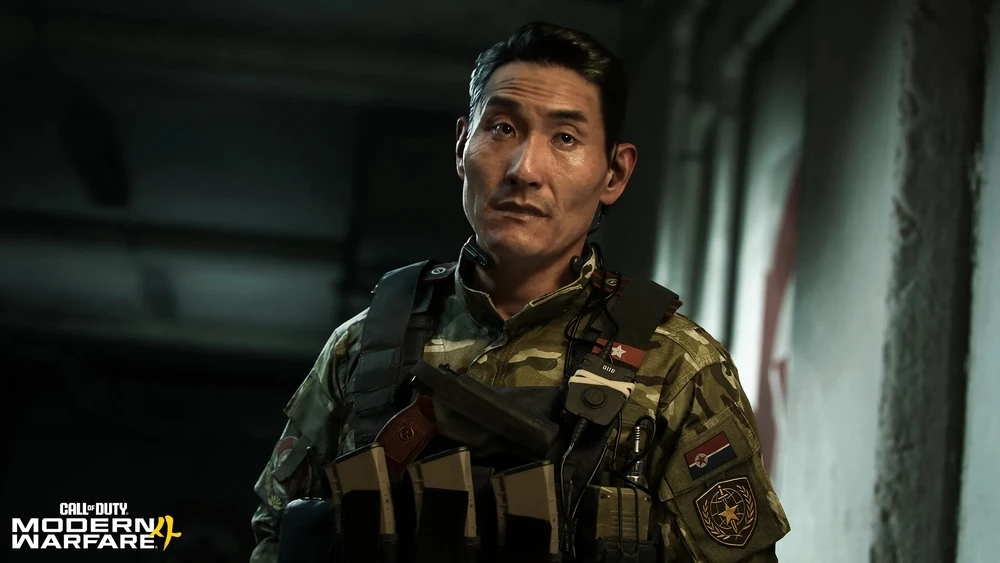
Of all the characters Modern Warfare 4 introduces, Seargant Ko Jin-Hyuk perhaps is the most interesting moral dilemma of all, and strangely what resonated with me the most wasn’t the explosive firefights, but the helplessness of watching a life unravel through a surveillance monitor.
During the attempted escape of Supreme Leader Ri Seung-Ho, we’re guided through increasingly dangerous circumstances, navigating armed soldiers and carefully following instructions intended to lead Seung-Ho to safety. Ko becomes our connection to survival, providing information needed to keep Seung-Ho alive. Yet despite our best efforts, that apparent safety proved to be an illusion.
Seung-Ho is assassinated by his own sister, Ri Ju-Young, while Ko observes events helplessly through a monitor. There is something profoundly uncomfortable about witnessing an event unfold and being powerless to alter its outcome, much like the mission “Following Orders”.
And perhaps that’s not too dissimilar from how many of us experience the conflicts of our own world, as we watch through television screens and smartphones, as lives are changed forever, never truly understanding the devastation we’re witnessing and also feeling powerless in its happening.
The difference, of course, here is that our own world offers opportunities to act, however limited those actions may be or feel, but within Modern Warfare 4, the outcome has already been determined.
For once, the removal of urgency feels purposeful rather than restrictive, the helplessness here becomes a part of the experience itself. Yet Ko’s own relationship with that helpfulness becomes increasingly complicated. Was he genuinely powerless to prevent Seung-Ho’s assassination, or did he know more about conspiracy than we initially understood? His involvement within the North Korean military and the atrocities under his leadership, make it difficult to view him as an entirely innocent observer. And thats precisely what makes his subsequent journey so fascinating.
Ko eventually turns against Ri Ju-Young, assists South Korean forces and ultimately chooses to remain in North Korea, determined to fight for the future of the country he calls home. Yet his actions don’t necessarily represent a conventional redemption story…
Ko isn’t trying to atone for his own misdeeds, he appears to be fighting for what he believes North Korea should become, rather than what it has been allowed to become. His loyalty seems wavering with the individuals exercising power, but more with the nation and the future he believes it deserves. While there may be something admirable about that determination, it raises an uncomfortable question. Is that worse?
Fighting For a Better Future
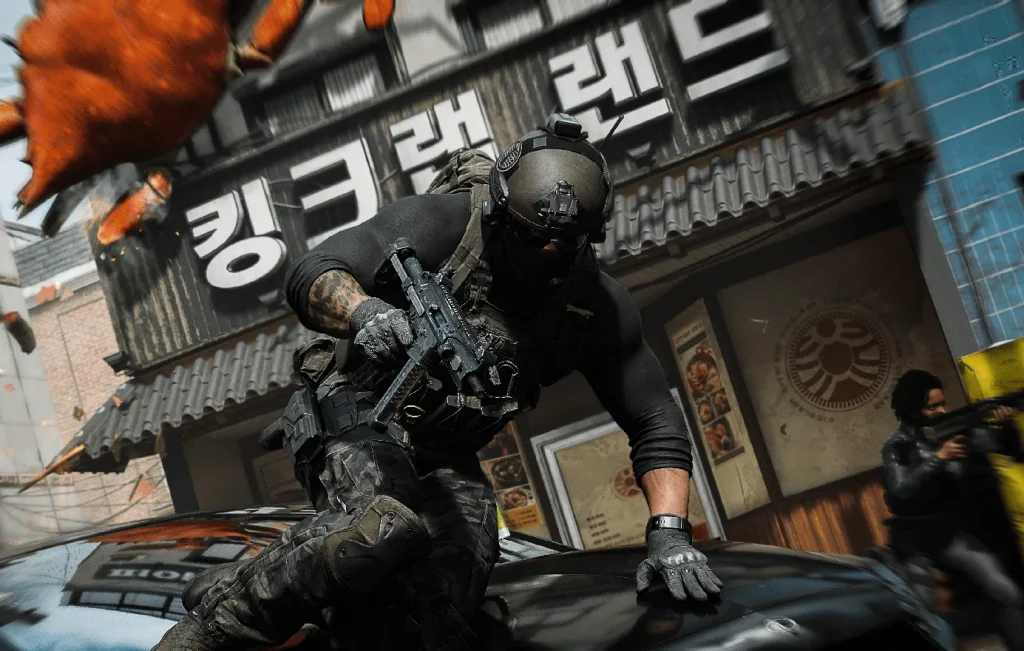
Ko has served within a system responsible for terrible suffering, yet his eventual change of allegiance allows him to emerge as an important ally, especially in bringing this conflict to its conclusion. He survives to pursue his vision of a better North Korea, with his future remaining uncertain as the story moves towards DMZ.
The questions remain…
What about the people who suffered under the regime he helped sustain and how is he held responsible for the actions committed during his service?
Perhaps this is what makes his story so compelling. I find myself unable to decide whether his freedom represents an opportunity for redemption or just another example of justice left unserved. Unlike Price, Ko survives to face an uncertain future. Survival doesn’t constitute accountability any more than death represents redemption. Ko’s character has become one of the few stories that leaves me questioning, what does justice actually look like?
Play the War, Walk Away
Modern Warfare 4 and the franchise in general is very good at making war entertaining.
The frantic firefights, cinematic set pieces and moments of genuine disbelief deliver an experience that is frequently exhilarating. Thunderous explosions, desperate escape attempts, impossible odds, all of these remind us why Call of Duty games have remained such an enduring force within the gaming industry.
Yet beneath the spectacle lies a narrative that wants us to consider the moral consequences of conflict, without always giving those consequences the attention I believe they deserve.
Characters we’ve spent years getting to know, can disappear in moments, their losses quickly overshadowed by the urgency of the next objective. What should leave a lasting emotional impression on me, becomes another event in an increasingly relentless sequence of revelations.
So here’s the kicker…
Modern Warfare 4 arrives at a time where the horror of conflict is far from confined to fiction. From Russias invasion of Ukraine, the suffering of civilians in Gaza to the continuing tensions across the Korean peninsula, the consequences of warfare are visible far beyond our gaming consoles.
All these conflicts have different histories, causes and circumstances, but they share a devastating reality. Ordinary people are left living with the decisions made by those wielding power.
Infinity Ward has an extraordinary platform through which to explore these realities, a company capable of placing millions of people into situations they will hopefully never experience, and truly question the horrors of warfare.
Of course a video game cannot recreate those lived experiences or the suffering of those enduring real conflict, nor should we confuse fictional conflict with the experiences of its victims. Yet Modern Warfare 4 blurred that line with inclusion of real-world footage of the 2022 Itaewon crowd crush within its opening cinematic.
So can it encourage us to question the decisions, ideologies and circumstances that lead to such suffering?
A Lesson in Morality
The campaign doesn’t owe players a moral lesson, but having introduced moral questions, it owes those questions meaningful exploration.
I’m not suggesting Call of Duty should sacrifice entertainment to become a political commentary, nor do I believe it needs to tell us what to think, but perhaps it could do more to make us think.
The campaign invites us to witness the devastating consequences of warfare yet its wider gameplay rewards us for become effective participates in simulated conflict. We progress through its narrative, unlock rewards, sharpen our skills and eventually move towards Multiplayer or DMZ, where the cycle of combat continues.
There’s also nothing inherently wrong with finding enjoyment in those experiences, the mechanics and competitive nature are fundamental to Call of Duty’s identity. It’s just an interesting contradiction for a game whose narrative repeatedly asks us to consider the morality of violence. We can witness a village destroyed, question the choices of a commanding officer, experience loss of characters we’ve grown to love, only to find ourselves moments later just pursuing another objective.
Perhaps the greatest moral dilemma Modern Warfare 4 presents isn’t simply whether its characters are heroes or villains, but whether doing the right thing eventually excuses the terrible things we’ve done before it.
Ko Jin-Hyuk embodies that uncertainty.
Long after the firefights have ended, I found myself questioning whether the man who helped preserve his countries future, deserve forgiveness for the suffering he helped perpetuate. And therein lies the experience I wanted more of from Modern Warfare 4.
Infinity Ward has created a campaign capable of delivering extraordinary spectacle, moments of genuine horror and occasional glimpses of something far more profound. Yet too often, its relentless pursuit of cinematic excitement overshadows the consequences it wants us to consider.
Perhaps Ko’s story is the exception that proves how much potential this campaign had. His future remains unresolved, his past cannot simply be forgotten, and I still cannot decide whether his actions deserve redemption or justice.
And maybe that’s the point.
In the real world, the consequences of war don’t disappear when an objective is completed. There are no credits to roll, no guarantee of a satisfying resolution and no certainty that those responsible will ever be held accountable.
Modern Warfare 4 occasionally brings that uncomfortable reality into focus, but seldom allows us to linger upon it.
Because ultimately, we enjoy its spectacle, confront its horrors and return to the safety of our everyday lives.
We have the privilege of playing the war and then walking away
Rapid Reviews Rating

4 out of 5
4


