Sennheiser HDB 630 – The Rapid Review
Sennheiser has built its reputation by making headphones that put sound quality first. The new HDB 630 continues that approach, supplying a premium wireless experience for listeners who want ease without sacrificing audio performance.
With adaptive noise cancellation, multiple wired listening options, Bluetooth 5.2 support, and a battery life rated at up to 60 hours, the HDB 630 comes with plenty of notable features. It also includes Sennheiser’s BTD 700 USB-C dongle, which helps deliver higher-quality wireless audio on devices that may not otherwise support advanced Bluetooth codecs.
Design and Comfort
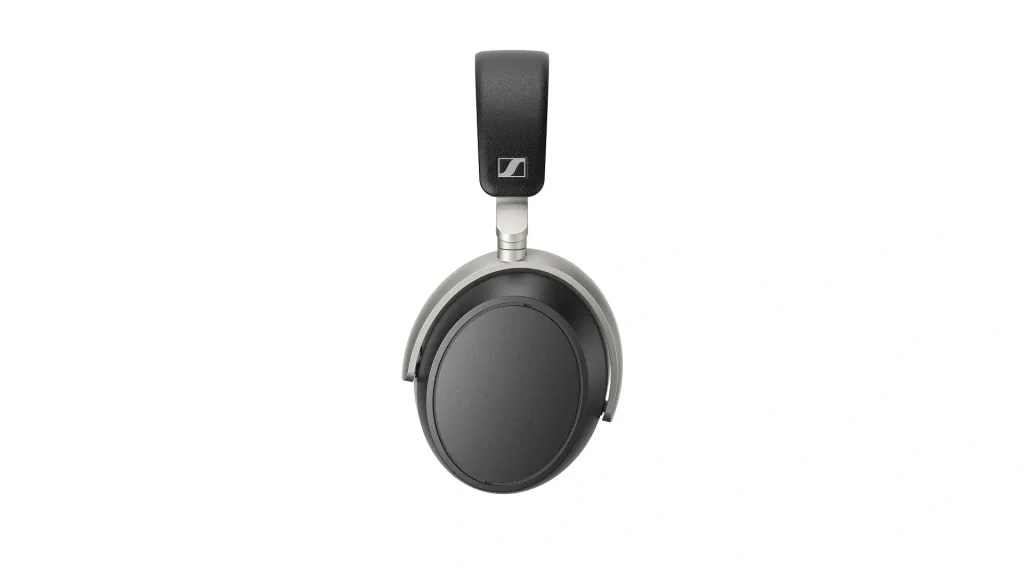
My first thought when taking the HDB 630 out of the box was how understated it looked. There is no flashy branding, no bright colours, and nothing particularly attention-seeking about the design. Instead, Sennheiser has opted for a clean, professional appearance that seems more focused on function than fashion.
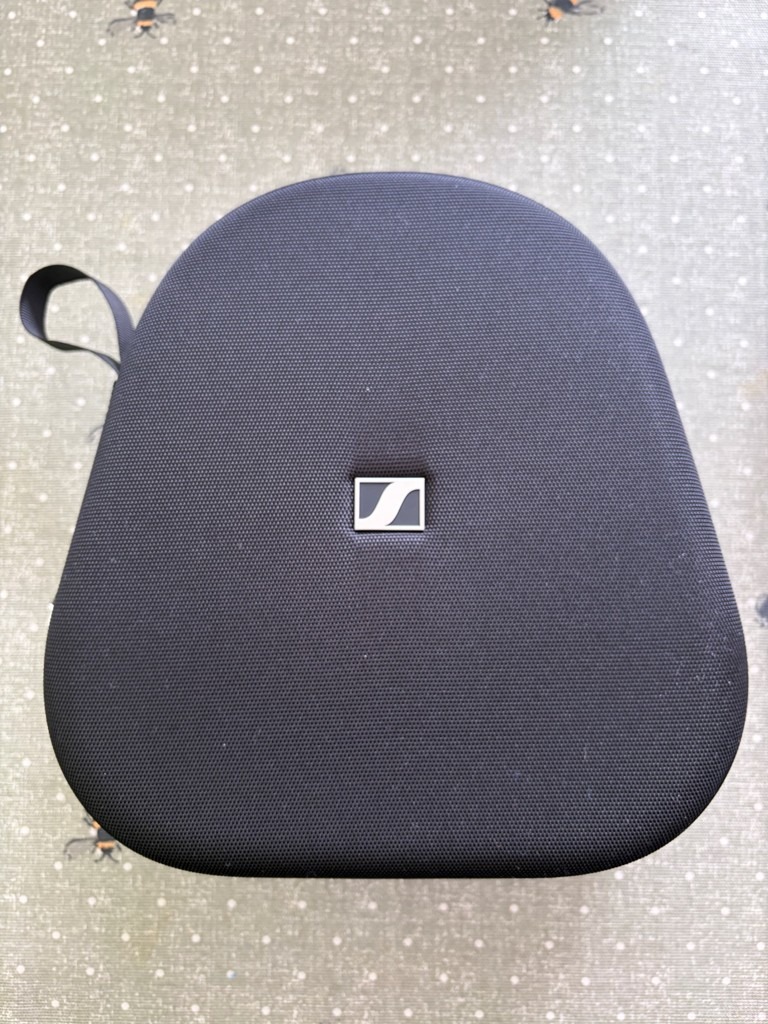
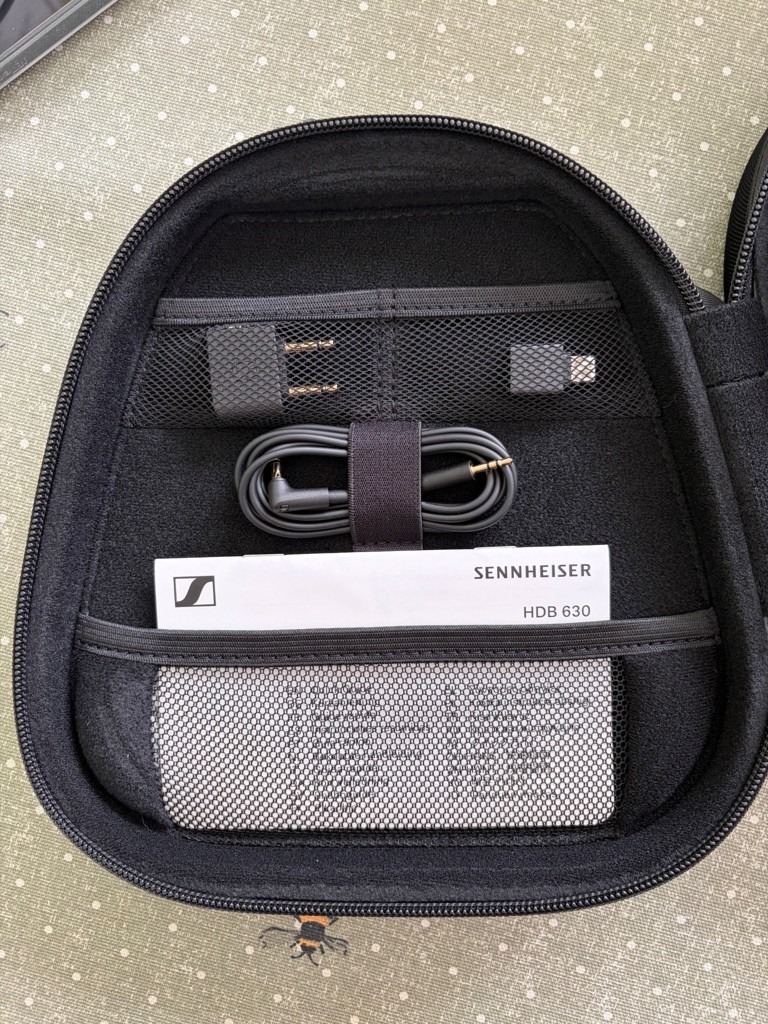
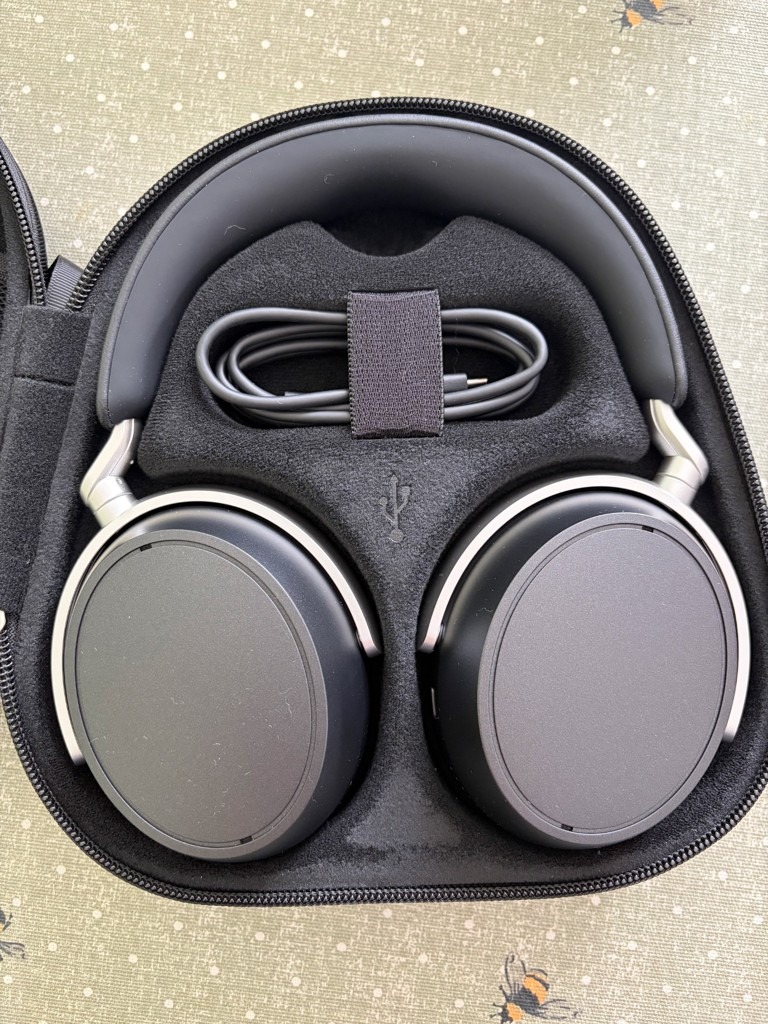
The build quality is reassuringly solid. Everything feels well put together without making the headphones overly heavy. The ear cushions are soft and spacious, while the headband provides ample padding to keep you comfortable during longer listening sessions.
Over several hours of use, I never felt the need to take them off because of discomfort. The clamping force strikes a good balance too – secure enough to stay in place but never overly tight. Whether I was working at my desk, listening on the sofa or travelling, the HDB 630 remained comfortable throughout. They are not especially compact, so frequent travellers may find them a little bulky compared to some rivals, but the comfort more than makes up for it.
Getting Connected
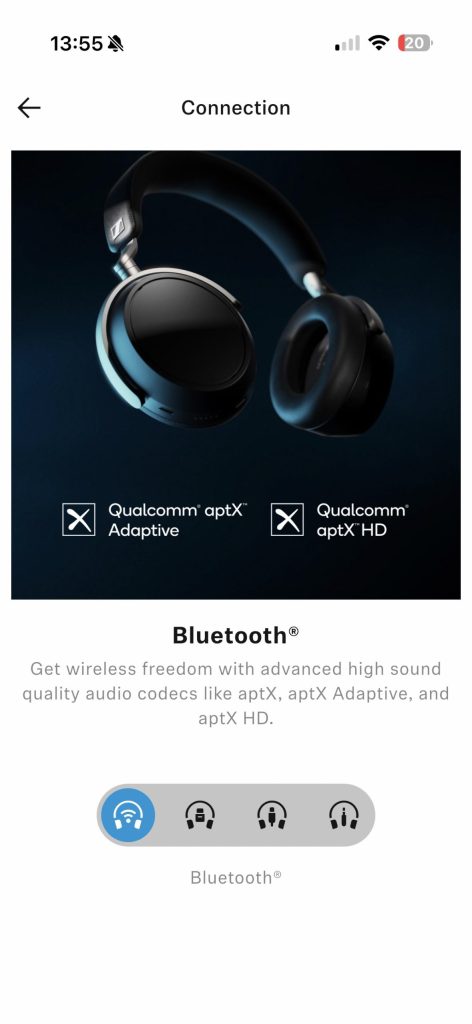
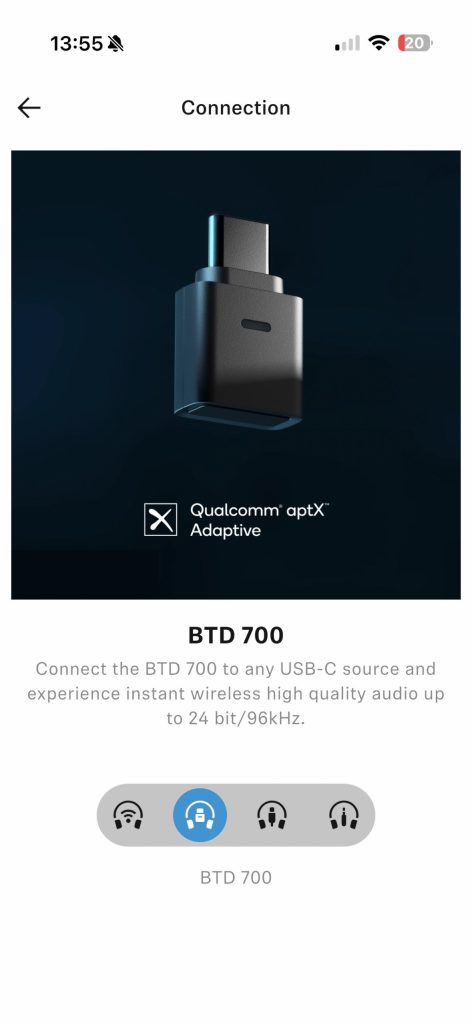
Setting up the HDB 630 is surprisingly simple. Bluetooth pairing takes only a few moments, and once connected, the headphones maintain a reliable wireless connection. The included BTD 700 dongle is arguably the most interesting part of the package. Plugging it into a laptop, tablet, or compatible device provides access to higher-quality wireless audio without worrying whether the device itself supports the latest Bluetooth standards, enabling high-resolution audio via aptX Adaptive and aptX HD.
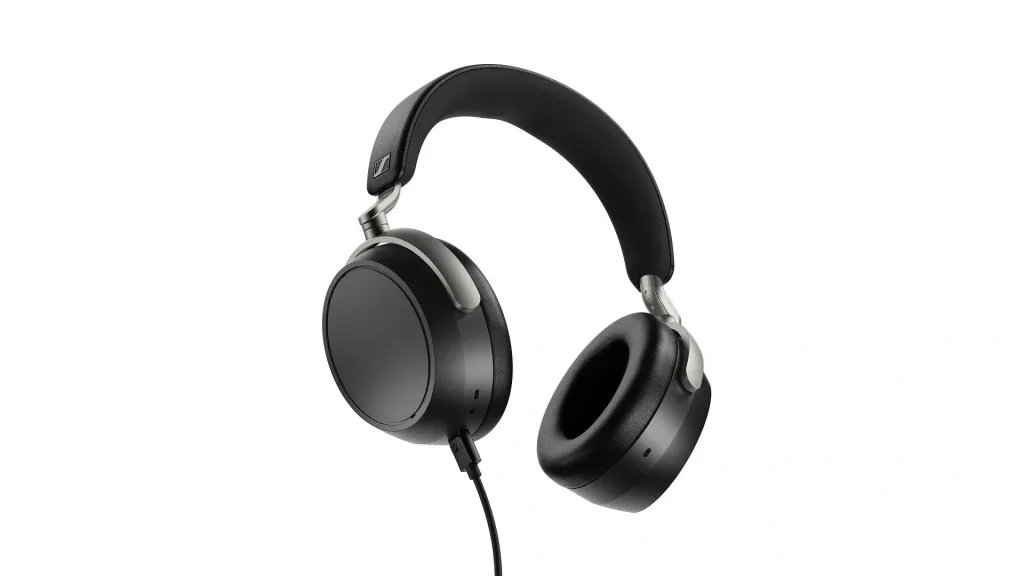
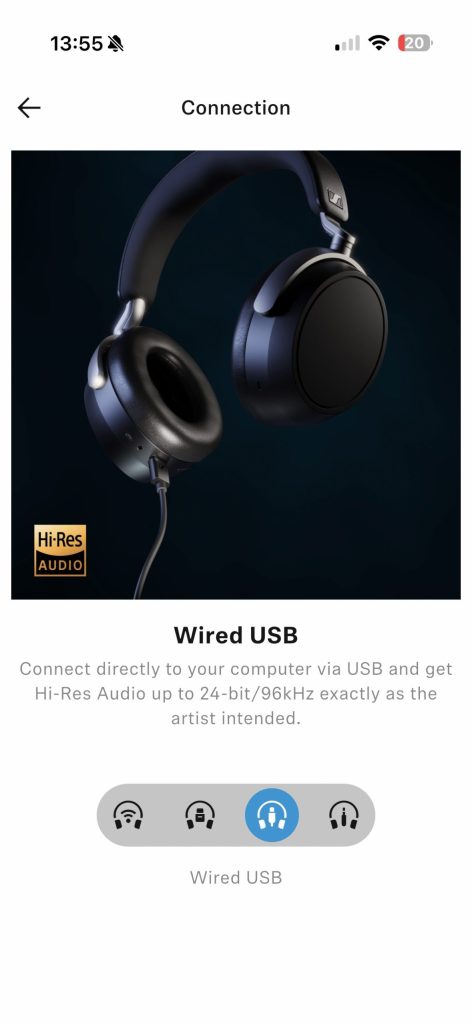
For those who prefer a wired connection, Sennheiser also includes USB-C and 3.5mm options with the USB-C connection providing lossless listening at up to 24 bit/96 kHz. Having that flexibility is welcome, particularly if you want to squeeze every last bit of quality from your music collection. Switching between devices was largely hassle-free during testing, which is exactly what you want from a pair of headphones designed for both office and casual use.
Sound Quality
Sound quality is where the HDB 630 really stands out. Rather than delivering exaggerated bass or an artificially exciting sound signature, Sennheiser has opted for a more balanced, natural sound. The result is a presentation that feels detailed, spacious and controlled. Bass has plenty of presence when a track calls for it, but it never dominates the rest of the mix. Mid-range performance is particularly impressive, allowing vocals and instruments to come through with clarity and texture. High notes sound clear and detailed without ever becoming harsh or uncomfortable.
Listening to a mixture of genres highlighted just how versatile these headphones are. Acoustic recordings sound open and intimate, while electronic tracks benefit from strong separation and precise detail. Rock, orchestral scores and podcasts all felt equally at home. One standout quality is the sense of space. Instruments rarely feel crowded together, making it easy to pick out subtle details that can often get lost on more consumer-focused wireless headphones.
Here is a playlist I put together to help me test new headphones arriving at Rapid Reviews HQ.
App and Features
The accompanying Sennheiser app adds a useful layer of customisation without feeling overly complicated. The parametric equaliser offers considerably more flexibility than the basic presets found on many competing products. If you enjoy tweaking your sound, there is plenty of scope to customise the headphones to your own preferences.
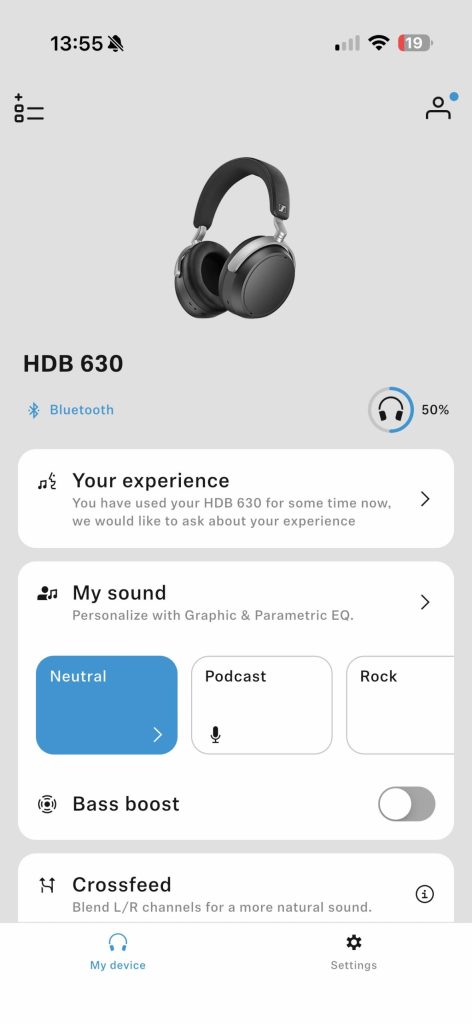
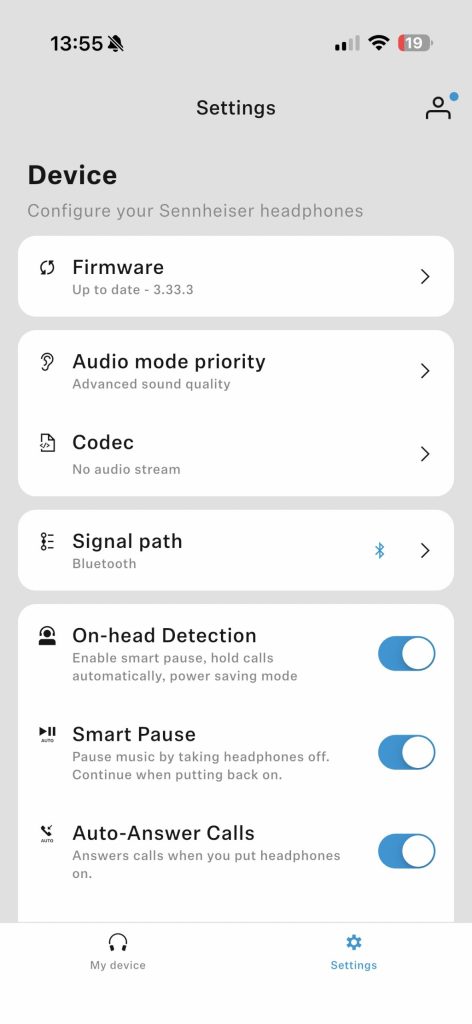
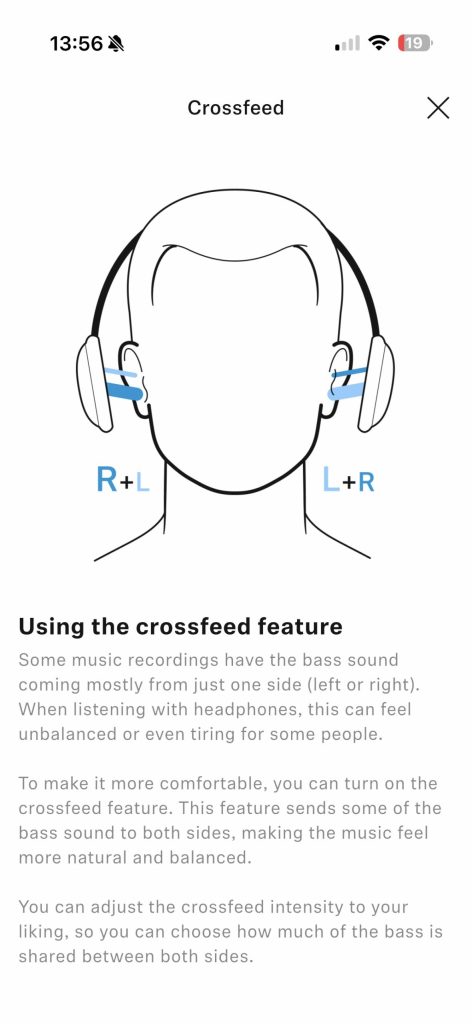
I particularly liked the A/B comparison tool, which lets you quickly switch between sound profiles to see which works best. It is a small feature, but one that makes experimentation much easier. Another welcome addition is Crossfeed mode. This subtly blends the left and right channels to create a more natural stereo image. It will not appeal to everyone, but for certain recordings, it can make listening feel a little less artificial.
These are thoughtful features that demonstrate Sennheiser’s focus on the listening experience rather than simply adding gimmicks.
Noise Cancellation and Daily Use
The adaptive noise cancellation performs well in everyday situations. It effectively reduces the steady hum of train journeys, office chatter and household noise, helping music take centre stage. While it may not completely eliminate every surrounding sound, it creates a noticeably quieter environment and allows you to concentrate more easily on what you are listening to.
Transparency mode is equally useful, allowing outside sounds back in when needed. Whether listening for announcements or having a quick conversation, it works exactly as intended. Call quality is also perfectly respectable. Voice clarity was good during meetings and video calls, making the HDB 630 a practical option for both hybrid work and entertainment.
Battery Performance
Battery life is one area where the HDB 630 genuinely excels. Sennheiser quotes up to 60 hours of playback, and while real-world results will always vary, I rarely found myself worrying about needing to reach for a charger. Even with regular use, these headphones seem to last forever between charges. Fast charging support is another bonus. A brief top-up can provide several hours of listening time, which is ideal if you realise the battery is running low before a journey. For anyone who dislikes having to charge their headphones every few days, the HDB 630 will be especially attractive.
Anything to Criticise?
The biggest obstacle for many buyers will be the price. At around £399, the HDB 630 sits firmly in premium territory and faces strong competition from well-established rivals. The styling may also divide opinion. Personally, I quite like the understated design, but some buyers may expect something a little more distinctive at this price point. These are also headphones aimed squarely at people who appreciate good sound. If your priority is maximum noise cancellation, gym-friendly bass, or the most compact travel headphones, there are alternatives that may suit you better.
The Verdict
The Sennheiser HDB 630 is a superb pair of wireless headphones that stays true to what Sennheiser does best: delivering excellent sound quality. Comfortable, well-built and packed with genuinely useful features, they offer a listening experience that feels a step above many mainstream wireless rivals. The inclusion of the BTD 700 dongle is a welcome addition, while the long battery life removes much of the hassle associated with wireless listening. They are undeniably expensive, but if sound quality sits at the top of your wish list, the HDB 630 justifies its premium positioning remarkably well.
Rapid Reviews Rating

4.5 out of 5
4.5
Visit the Sennheiser Website to learn more about the Sennheiser HDB 630.
If you enjoyed reading about the Sennheiser HDB 630, why not check out our other tech reviews here?


You May Also Like
Audeze Penrose X Rapid Review
Samsung Galaxy S20 FE – The Rapid Review